
The Cost of Crossing Hormuz: Danger Money, Freight Rates, and Supply Chain Risk
Why Strait of Hormuz Risk Matters to Freight, Fuel Costs, and Supply Chain Planning
October 15, 2026 | 10 min Read

By Ivan Gonzalez, Operations Manager
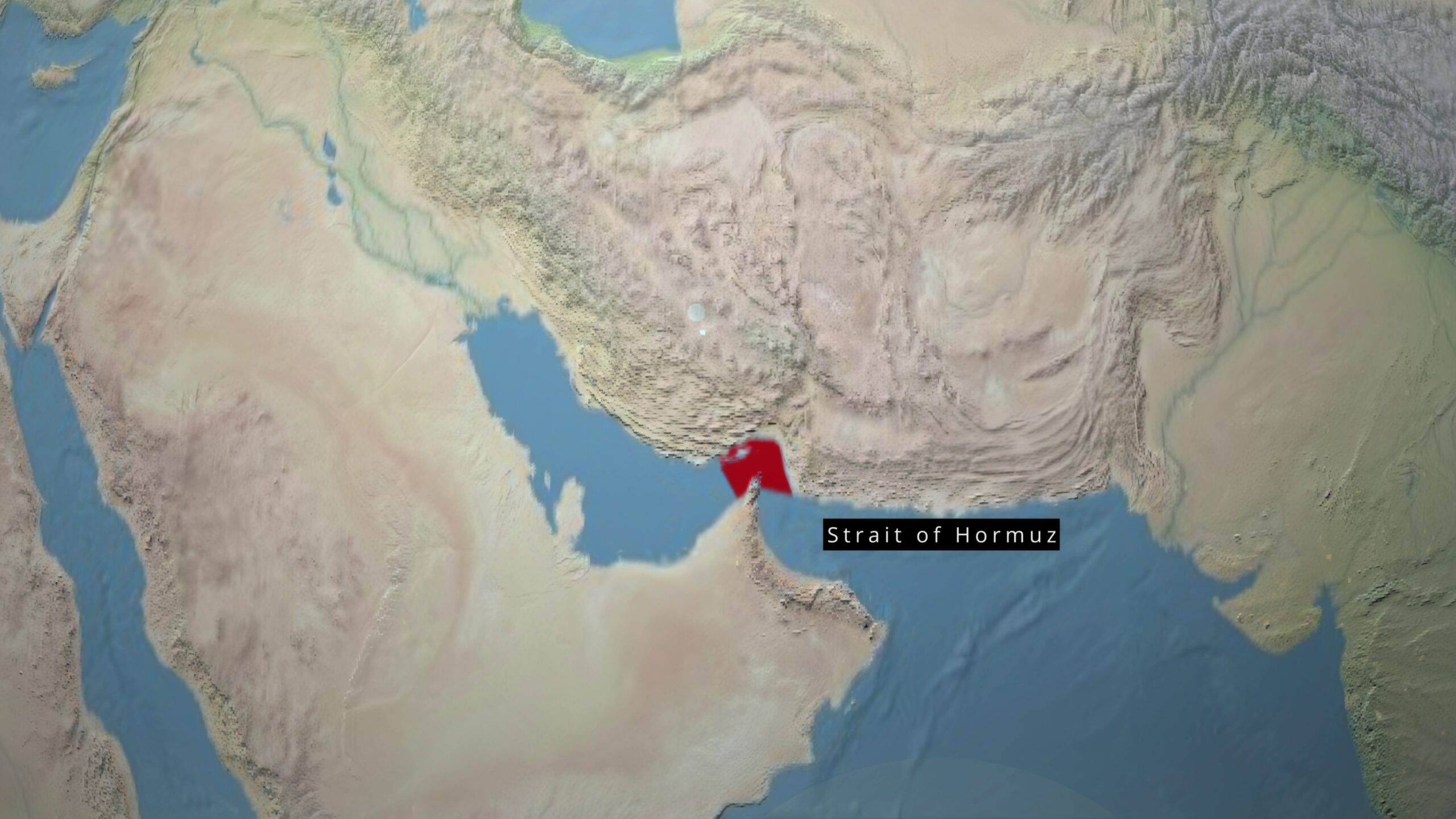
The Strait of Hormuz has become one of the most closely watched shipping lanes in the world—not just for energy traders, but for manufacturers, distributors, importers, and logistics operators across the supply chain.
As of October 9, 2026, the International Maritime Organization had recorded 100 confirmed incidents involving merchant vessels in and around the Strait of Hormuz and 24 confirmed seafarer fatalities. The security environment has turned what was once routine navigation into a high-risk operating environment for commercial shipping.
That matters far beyond the tanker industry.
Why the Strait of Hormuz Matters So Much
The Strait of Hormuz is one of the world’s most critical oil transit chokepoints. According to the International Energy Agency, approximately 20 million barrels per day of crude oil and petroleum products moved through the Strait in 2025—roughly one-quarter of global seaborne oil trade.
The U.S. Energy Information Administration also notes that disruptions at major energy chokepoints can create supply delays, higher shipping costs, and higher global energy prices.
That means risk in Hormuz can move rapidly through global freight markets and into domestic supply chains.
The “Danger Money” Premium
As operating conditions deteriorate, shipowners face a difficult calculation.
Crews may require higher compensation to accept voyages through high-risk areas. Shipowners may also face higher war-risk insurance costs, fewer available vessels, longer waiting times, and more complicated routing decisions.
The economics are straightforward: when the risks associated with moving freight increase, the cost of transportation tends to rise with them.
For shippers, that risk premium can eventually appear in ocean freight rates, fuel pricing, carrier surcharges, and delivered product costs.
Why Freight Rates Can Rise Quickly
The effects of maritime instability do not stop at the ship.
Higher risk can contribute to:
- increased war-risk insurance
- higher crew compensation
- tighter vessel availability
- higher charter rates
- longer transit times
- more expensive fuel
- greater freight-price volatility
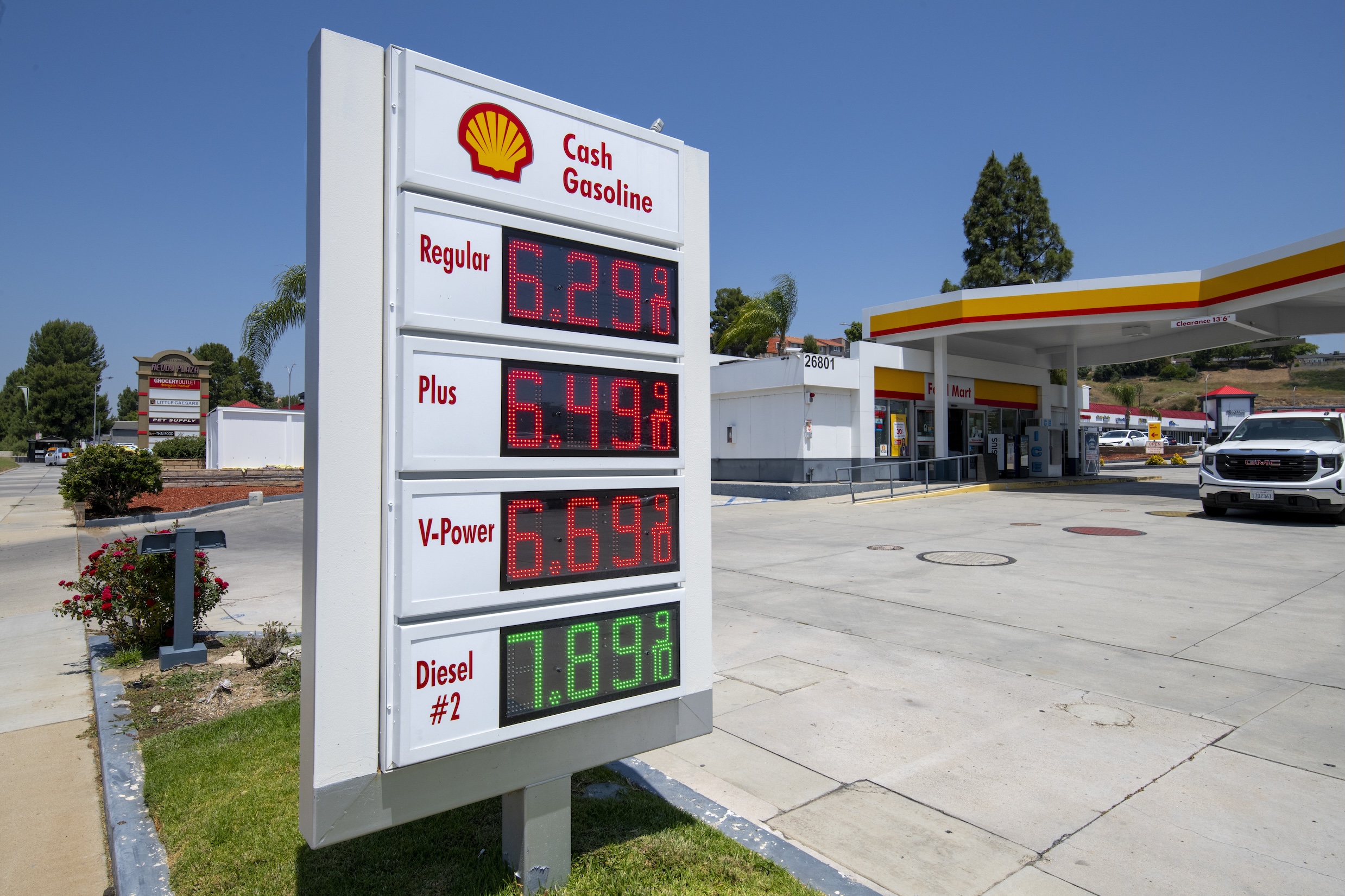
Because Hormuz carries such a large share of global oil flows, disruptions can also affect diesel and transportation costs far from the Persian Gulf.
We recently examined that connection in our article on diesel prices and U.S. freight volatility.
What This Means for U.S. Logistics
Even companies that never directly import through the Middle East can feel the effects.
Higher energy and transportation costs can eventually influence:
- truckload and LTL pricing
- carrier fuel surcharges
- inbound material costs
- agricultural and manufacturing costs
- regional distribution expenses
- final delivered product prices
For logistics managers, geopolitical risk can therefore become an inventory and network-planning issue—not just an ocean-shipping issue.
Warehousing Becomes Part of the Response
When transportation costs become volatile, companies often reevaluate where and how they hold inventory.
Some businesses may decide to consolidate inbound shipments, hold more safety stock, or position inventory closer to customers.
That can increase the importance of:
Rail-served warehousing. Rail may provide another option for certain high-volume freight movements.
Transloading. Moving freight efficiently between rail, truck, and warehouse storage can improve network flexibility.
Overflow warehousing. Temporary additional capacity can help businesses absorb inventory changes without committing to permanent space.
Inventory management. Better visibility becomes increasingly important when freight costs and replenishment timing become less predictable.
These capabilities are part of the flexible 3PL programs offered by Group Warehouse in Fresno, California.
Why Central California Matters
A Central California warehouse can give companies a strategic location for serving Northern California, Southern California, the Central Coast, and broader western markets.
During periods of freight volatility, inventory positioning can become just as important as transportation pricing.
Businesses that can hold products closer to customers may be better positioned to respond to changing freight costs, transportation delays, or unexpected disruptions.
You can learn more about how Group Warehouse approaches flexible logistics programs in Why Companies Choose Group Warehouses.
What Businesses Should Be Watching
The current situation calls for scenario planning rather than trying to predict one outcome.
Logistics managers should continue monitoring:
- Strait of Hormuz security conditions
- crude oil and diesel prices
- marine war-risk insurance
- ocean freight rates
- carrier fuel surcharges
- transportation lead times
- inventory levels
- regional warehouse capacity
For official developments, the International Maritime Organization’s Strait of Hormuz updates provide ongoing information about incidents and seafarer safety, while the IEA Strait of Hormuz factsheet and U.S. EIA oil chokepoint analysis provide useful energy-market context.
The Bottom Line
The cost of crossing Hormuz is no longer only the cost of fuel and vessel time.
Security risk, insurance, crew compensation, vessel availability, and potential energy-market disruption all contribute to a growing logistics risk premium.
For companies managing physical inventory, the lesson is broader: global disruptions can quickly become local transportation, warehousing, and customer-service challenges.
A flexible supply chain gives businesses more options when those conditions change.
Looking for warehousing in Fresno or Central California?
or
to discuss your storage, handling, and distribution requirements.




Request Pricing and Warehouse Availability
Tell us what you store, how much space you need and where your products need to go. Our logistics team will review your requirements and recommend an appropriate warehousing and distribution solution.
Looking for warehousing in Fresno or Central California?
Planning for Freight or Inventory Volatility?
Group Warehouse provides flexible 3PL warehousing, inventory management, rail-served logistics, transloading, overflow storage, and distribution support from Fresno, California.
"We Don't Say No We Say Service."
Copyright © 2026 | 3550 S Willow Ave, Fresno, California 93725, US | Made in USA